Guide 02 / PU
What is polyurethane?
Polyurethane forms when an isocyanate meets a polyol. It is one of the most varied materials in use, from soft foam to hard floor finishes and cast machine parts.
How it forms
The isocyanate side reacts with a polyol resin to build urethane links. Change the polyol and the additives and the result can be anything from a flexible foam to a hard, glossy finish.
Working time
Most polyurethane coatings cure more slowly than polyurea. That gives time to roll, brush or spray with ordinary equipment, and time for the film to level. It also means moisture and temperature during cure matter more.
Many forms
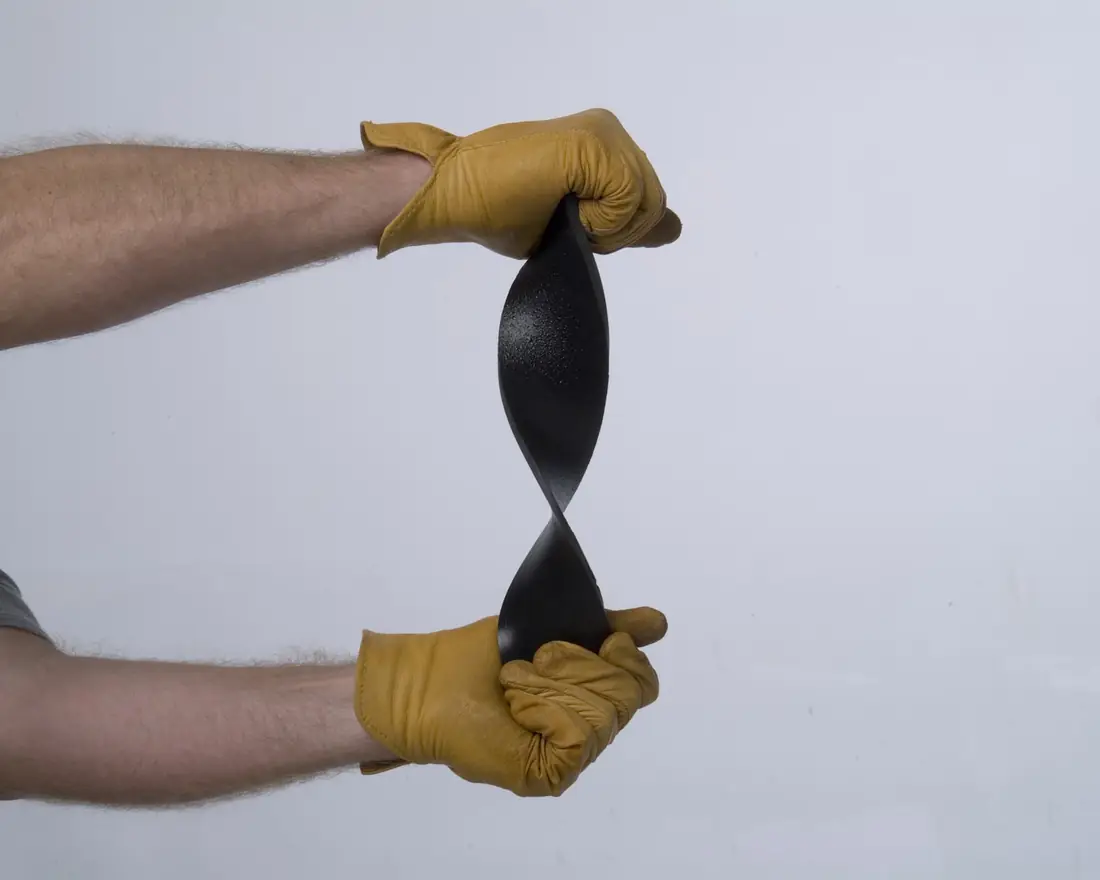
Spray foam insulates walls and roofs. Elastomers and cast parts become rollers, wheels and wear pads. Coatings range from tough floor finishes to clear topcoats. Single component, moisture cure products react with humidity in the air.
Aromatic and aliphatic
Aromatic polyurethanes are tough and economical but tend to yellow in sunlight. Aliphatic polyurethanes hold color and gloss outdoors and are a common topcoat over other systems, including polyurea.
Do
- Respect recoat windows
- Watch humidity during cure
- Ventilate while it cures
- Pick aliphatic grades for sun exposure
Avoid
- Coating over damp concrete
- Applying too thick in one coat
- Assuming every grade is color stable
- Rushing traffic before full cure
Common questions
Is polyurethane waterproof?
Many polyurethane coatings and membranes resist water well when applied at the right thickness on a sound surface. Check the data sheet for the specific product and use.
General information only. Follow the product data sheet and safety data sheet for every product.