Guide 03 / HYB
Hybrid coatings
Between pure polyurea and pure polyurethane sits a range of hybrids. They blend amine and polyol resins on the same side to balance speed, handling and cost of materials.
What makes a hybrid
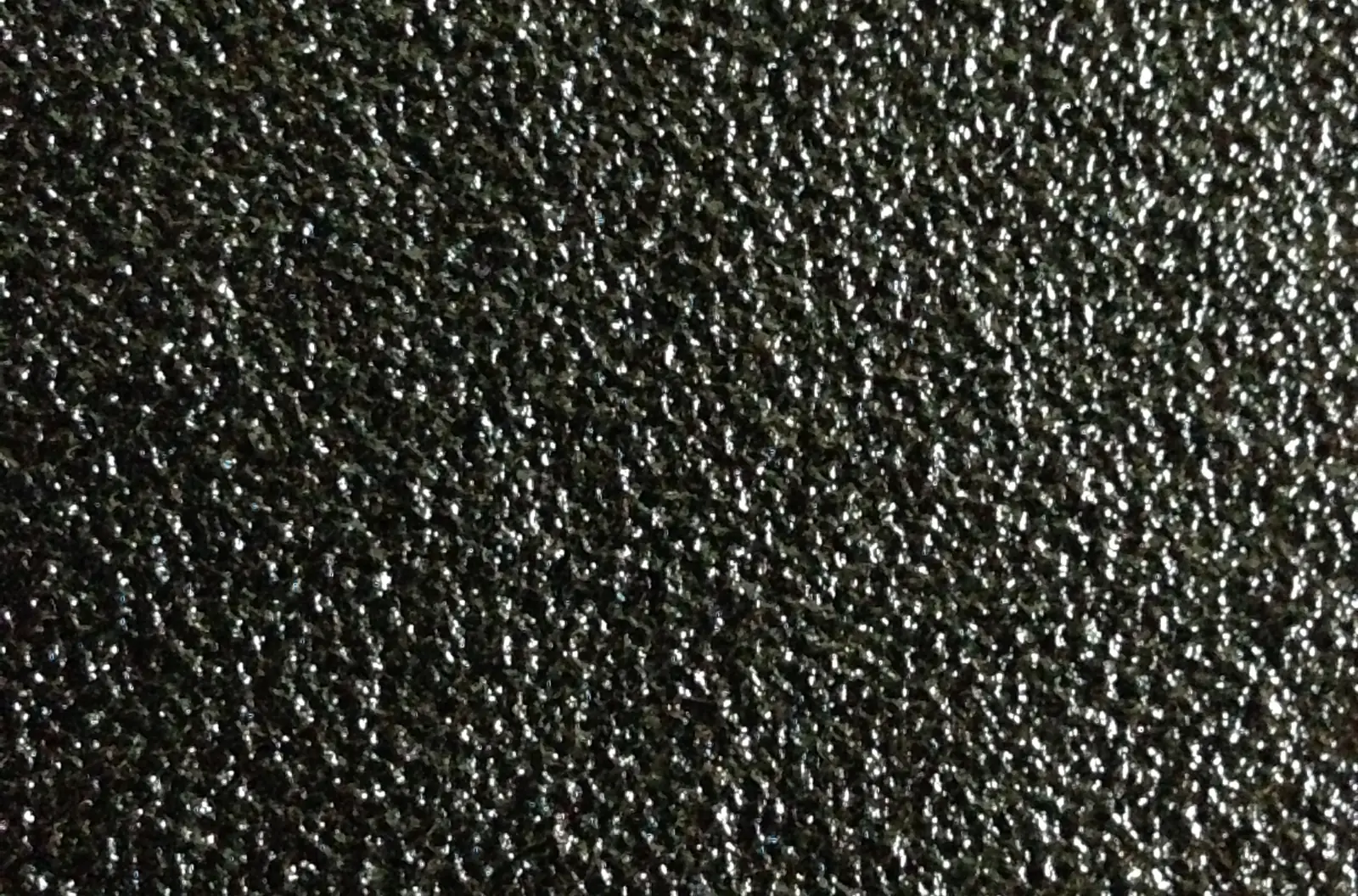
A hybrid keeps the isocyanate side but mixes amine resins with polyols on the other. The more polyol in the blend, the more it behaves like polyurethane, with longer working time and more moisture sensitivity.
Why they exist
Hybrids can be easier to handle and can suit jobs that do not need everything pure polyurea offers. Some are designed to be sprayed with the same plural component rigs.
Reading the label
The word polyurea is used loosely in marketing. Ask whether a product is pure polyurea or a hybrid, and compare the data sheets for gel time, elongation, tensile strength and recommended uses rather than the name on the drum.
Polyaspartics
Polyaspartic coatings are a related, slower reacting branch of aliphatic polyurea. They are often rolled onto floors and used as color stable topcoats.
Do
- Ask whether it is pure or hybrid
- Compare data sheets line by line
- Check moisture limits for the job
- Test a small area first
Avoid
- Buying on the name alone
- Assuming hybrid means lower quality
- Ignoring cure conditions
- Mixing systems without checking compatibility
General information only. Follow the product data sheet and safety data sheet for every product.