polyureapolyurethane

Side by side

Polyurea vs polyurethane

They share a parent and a lot of strengths. The differences show up in how fast they cure, what conditions they tolerate and what it takes to apply them.

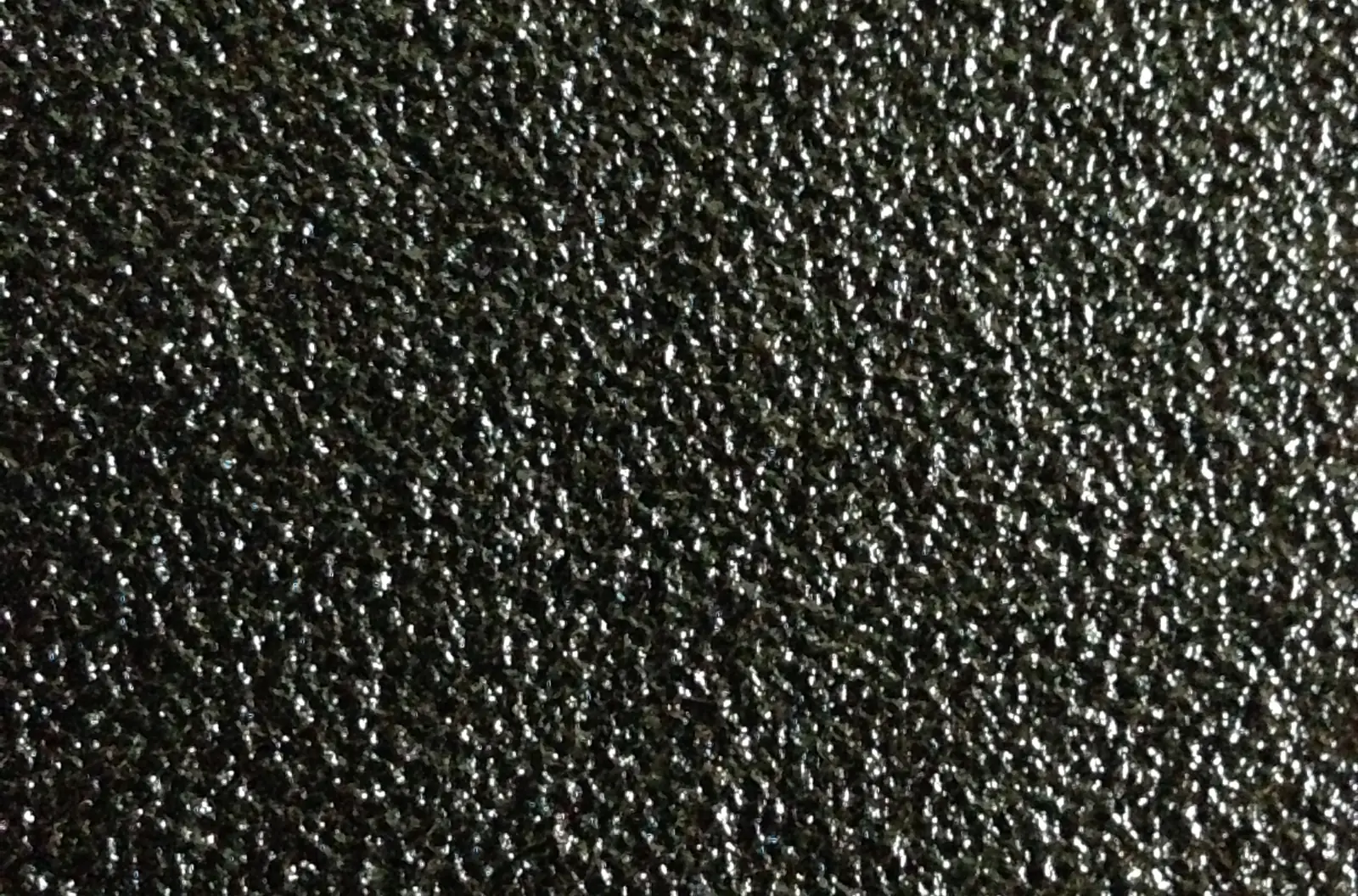
Close view of a black textured spray coating surface

Polyurea

Isocyanate + amine resin

Fast, tough and tolerant of cold and damp.

Strengths

  • Gels within seconds
  • Thick films in one visit
  • Coats vertical surfaces without sagging
  • Less sensitive to moisture and cold

Watch for

  • Needs heated plural component rigs
  • Almost no working time
  • Aromatic grades change color in sun

Polyurethane

Isocyanate + polyol resin

Versatile, workable and easy to finish well.

Strengths

  • Working time to level and finish
  • Roll, brush or spray
  • Foams, elastomers, coatings and cast parts
  • Aliphatic grades hold color

Watch for

  • More sensitive to moisture during cure
  • Slower return to service
  • Thinner films per coat

Hybrid

Isocyanate + amine and polyol blend

A blend that sits between the two.

Strengths

  • Balances speed and handling
  • Often sprayed with the same rigs
  • Wide range of grades

Watch for

  • Behavior depends on the blend
  • Can be moisture sensitive
  • Names vary between suppliers

The quick table

General tendencies. Individual products vary, so the data sheet has the final say.

What mattersPolyureaPolyurethane
Reacts withAmine resinPolyol resin
Cure speedSeconds to gelMinutes to hours or longer
Working timeAlmost noneEnough to roll and level
Moisture and cold during cureTolerantMore sensitive
Film per coatThick builds in one visitUsually thinner coats
FlexibilityHigh elongation grades commonFrom flexible to hard
SunlightAromatic darkens, aliphatic holds colorAromatic yellows, aliphatic holds color
Typical equipmentHeated plural component rigRoller, brush, airless or plural component
Common usesLiners, roofs, tanks, containment, floorsFoam, floors, topcoats, cast parts

In short

Speed or working time

Polyurea reacts in seconds, builds thick films in one visit and copes with cold and damp, but it needs a heated plural component rig and a trained crew. Polyurethane gives you time to roll and level, works with simpler tools and comes in foams, elastomers and topcoats, but it is more sensitive to moisture while it cures.

Many systems use both: a polyurea base for build and protection with an aliphatic polyurethane topcoat for color. See the chemistry, or answer five questions in the coating selector.

Next step

Five questions point your job in a direction.