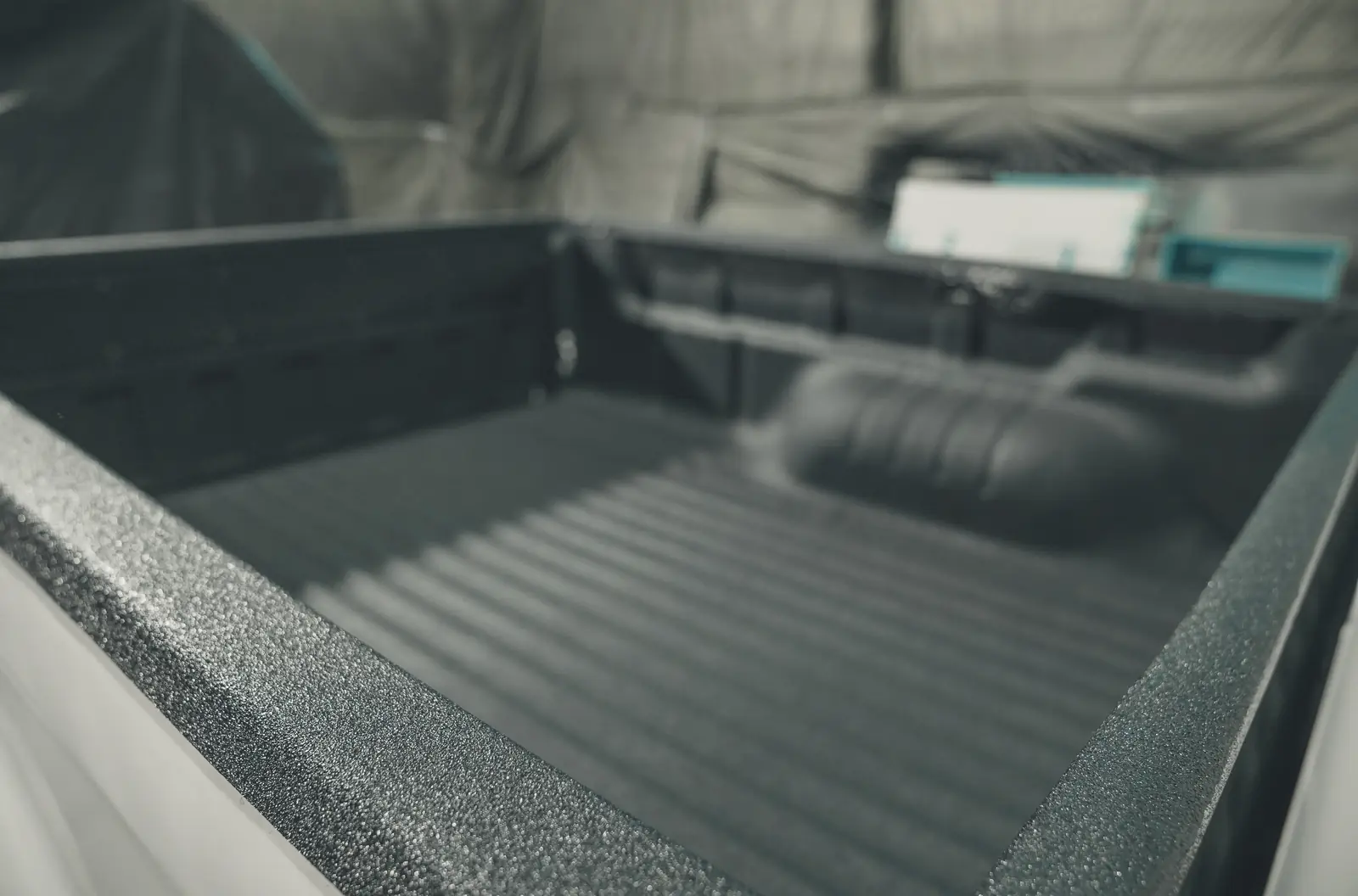
Usually polyurea
Truck beds and liners
Thick, textured films that follow every rib and cure fast enough to get the vehicle back the same day.
Uses
Some jobs clearly favor one family. Many can go either way, and the right answer depends on the surface, the conditions and the timeline.
Thick, textured films that follow every rib and cure fast enough to get the vehicle back the same day.
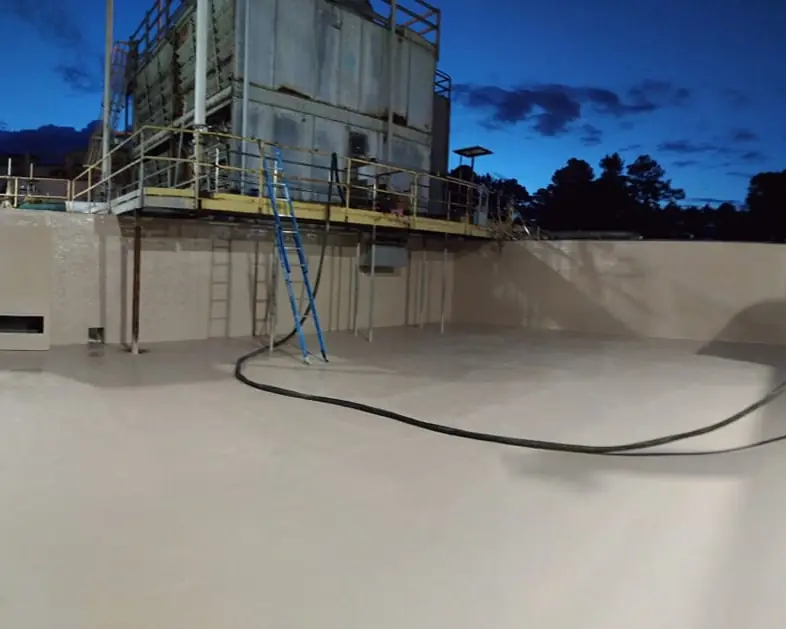
Seamless membranes for flat roofs and decks. Polyurea builds fast, polyurethane membranes roll on with simpler gear.
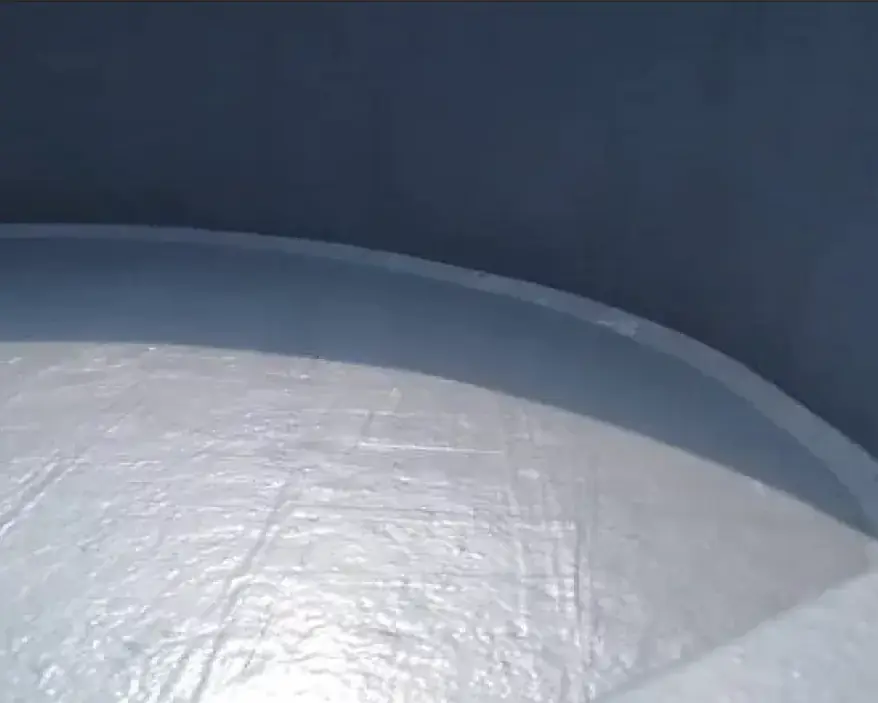
Linings for tanks, pits and bunds where chemical exposure and quick return to service matter.
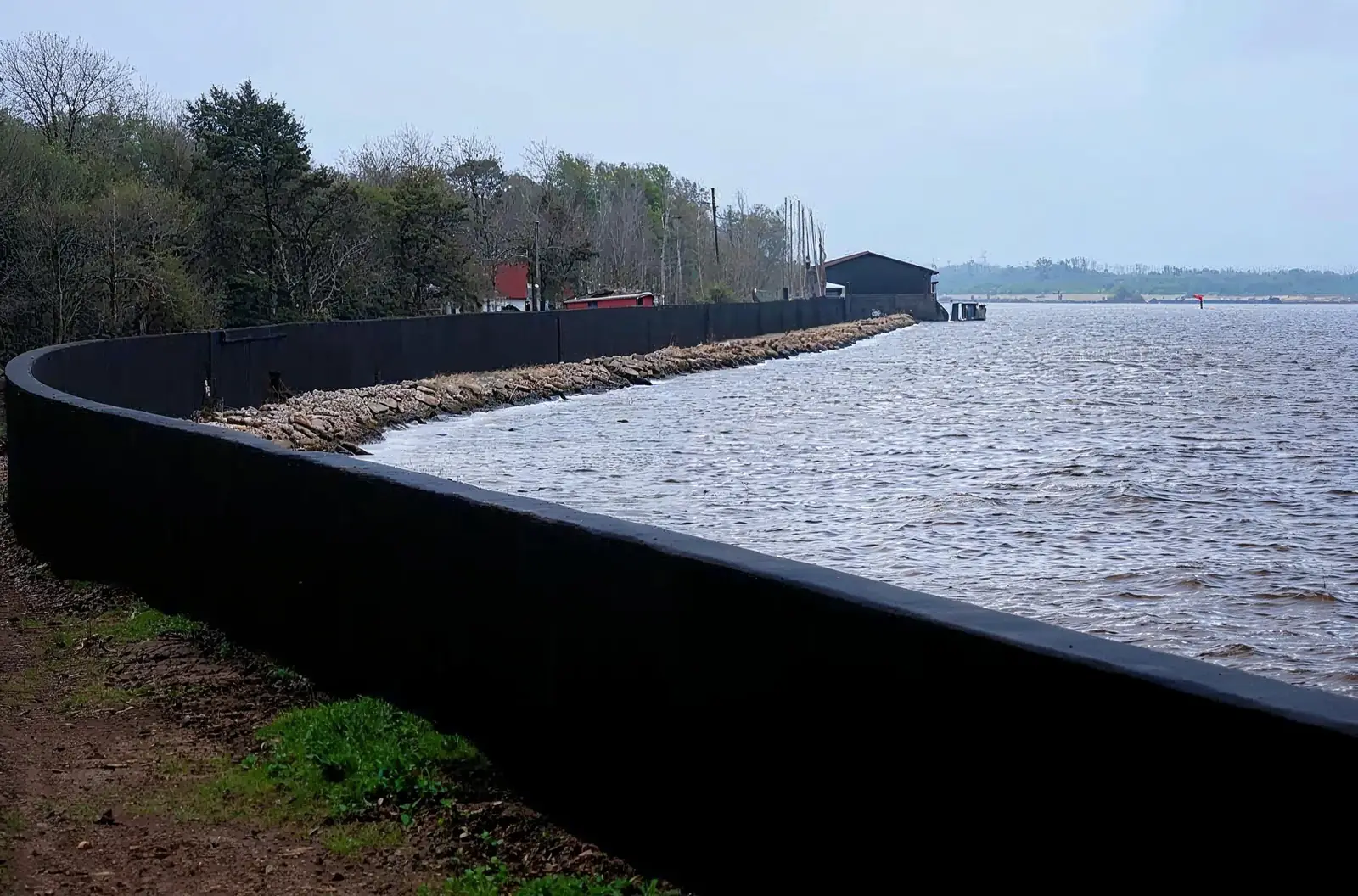
Waterproofing and protective layers on decks, culverts and structures that cannot stay closed for long.
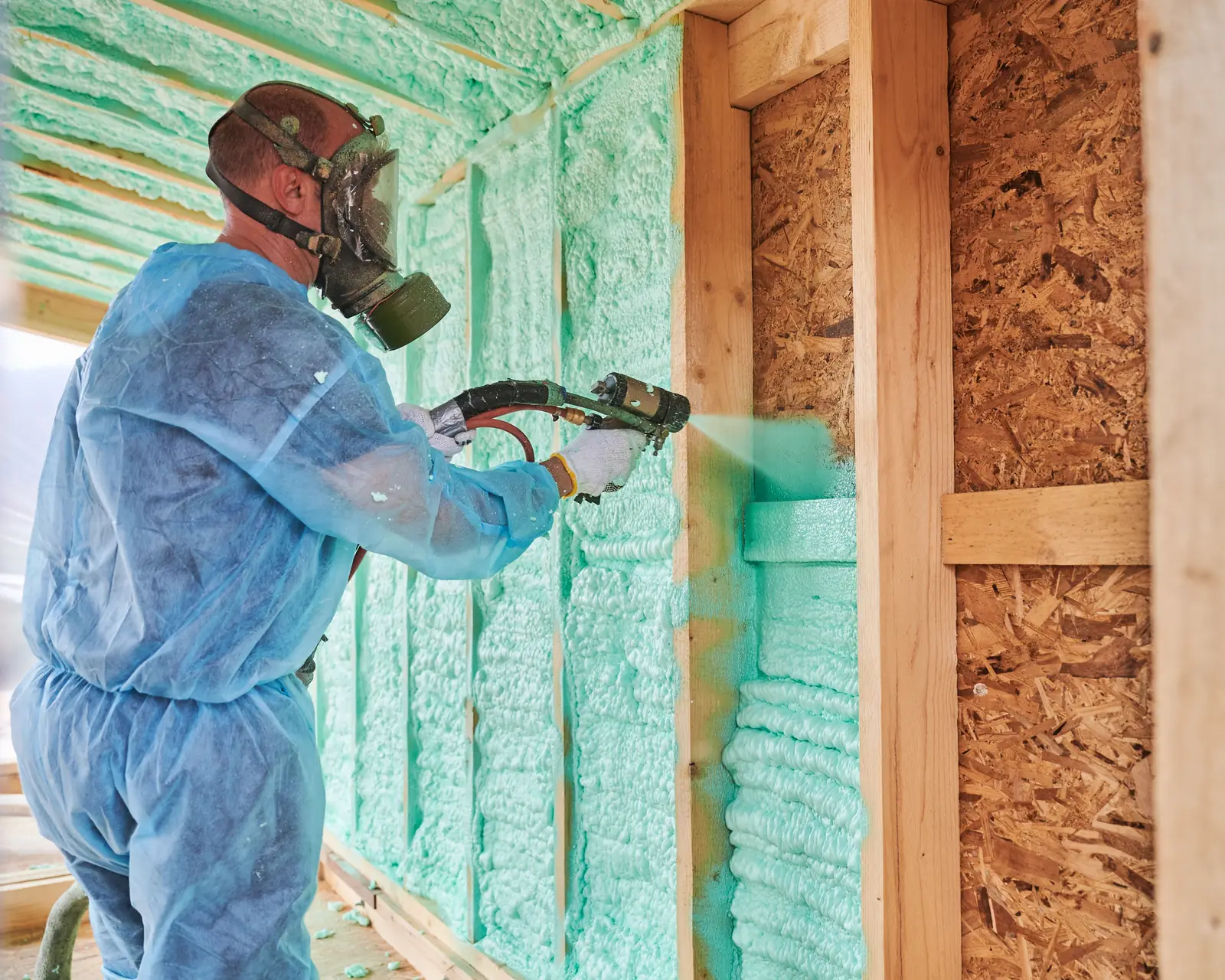
Spray polyurethane foam fills walls and roofs, adding insulation and an air seal in one step.
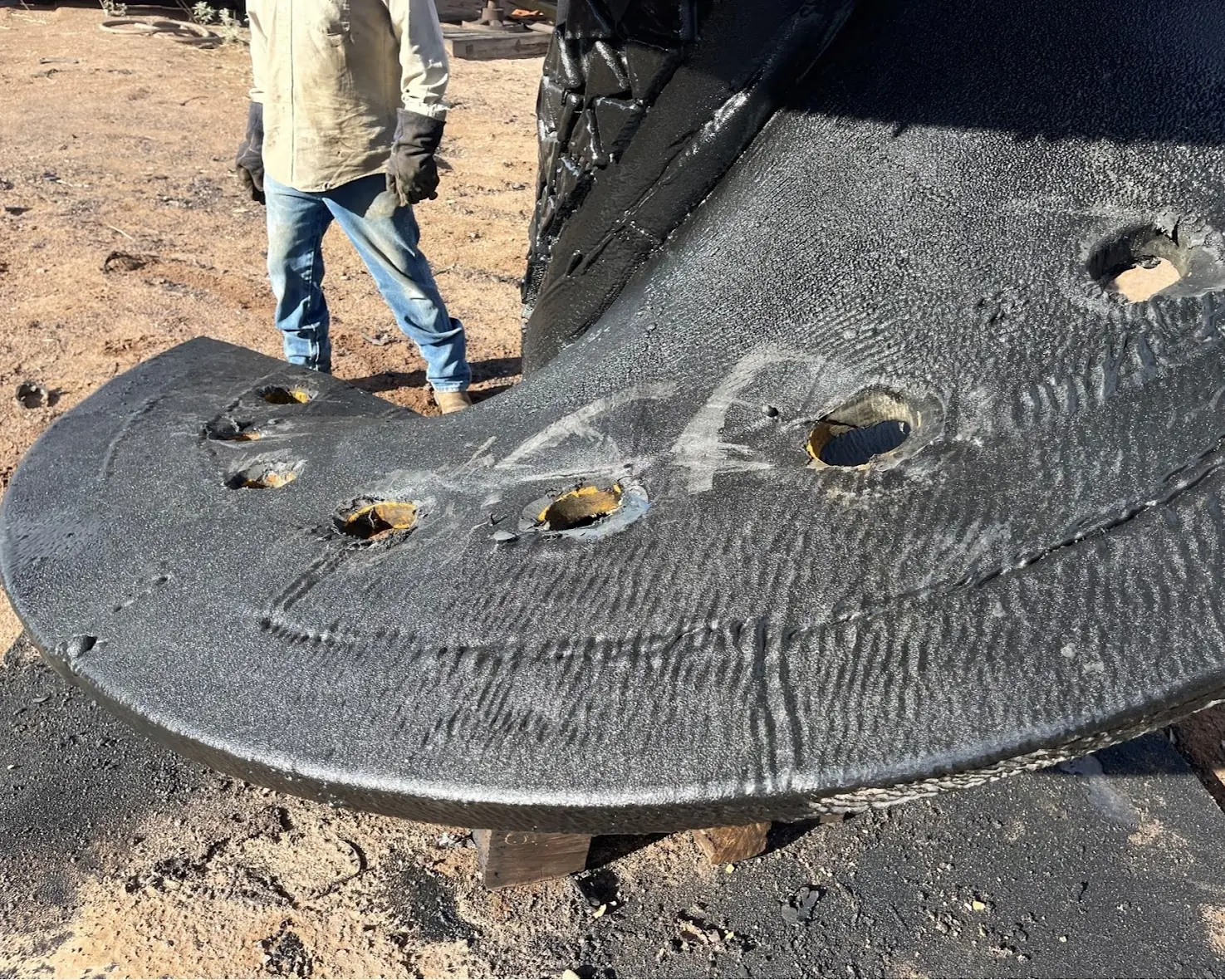
Cast polyurethane elastomers become wear resistant sleeves, wheels, pads and bushings.
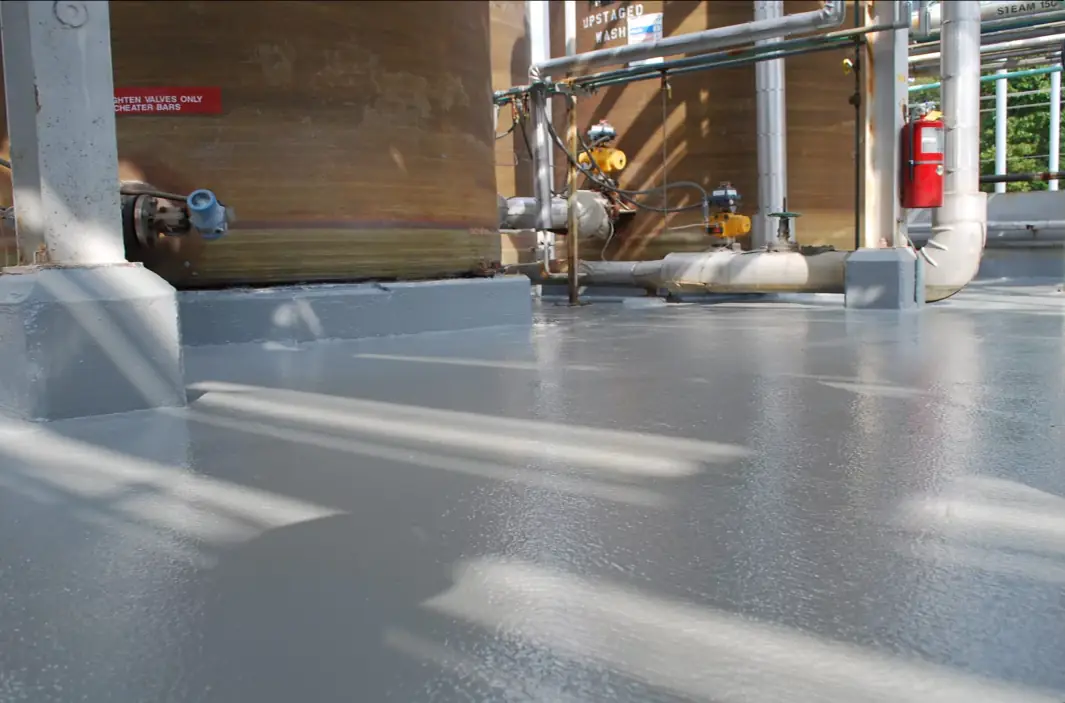
Industrial and garage floors use both families, often with an aliphatic topcoat for color and gloss.
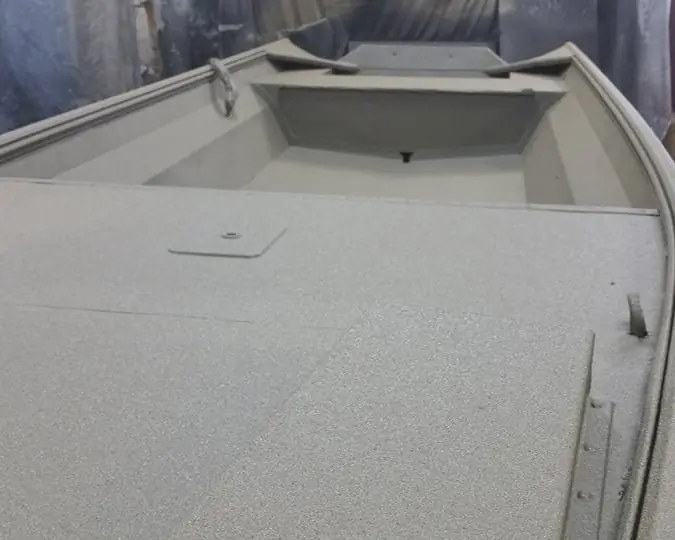
Buoys, docks and hulls need coatings that handle water, impact and sun. The system often combines the two.
Not sure?
The surface, the conditions on the day and how soon the area must return to service usually settle the question. The coating selector walks through those points, and the comparison lays the two families side by side.